Guides
SEO Competitor Analysis Tools Compared (2026)
SEO competitor analysis tools estimate which keywords, pages and backlinks bring competitors search traffic. Paid suites like Semrush, Ahrefs and SE Ranking cover rival domains; free Google tools mostly cover your own site.
By SEORecheck Research Team, SEO auditorsPublished 9 min read
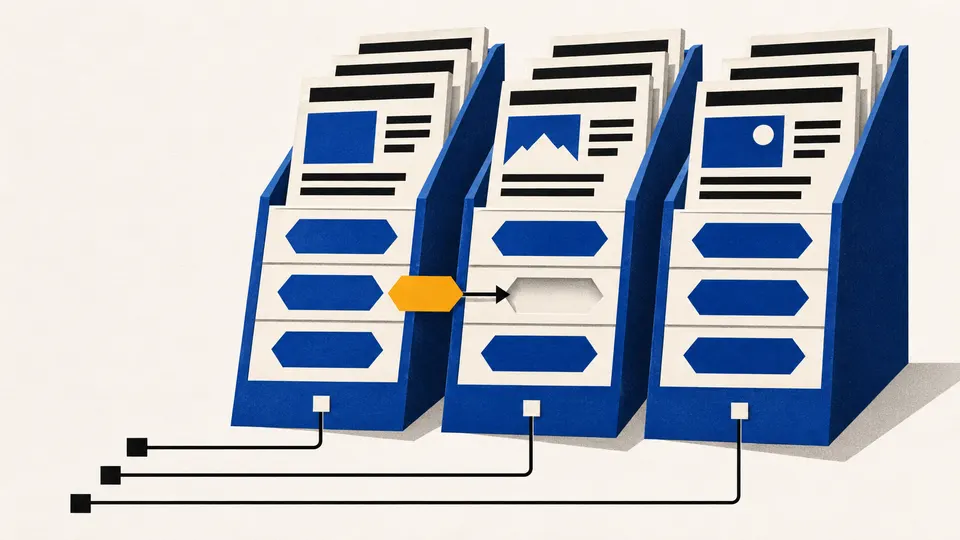
SEO competitor analysis tools show which keywords, pages and backlinks bring your search competitors their organic traffic, so you can see where you fall behind. Paid suites such as Semrush, Ahrefs and SE Ranking let you look up any domain. Free Google tools mostly report on your own site. Every third-party traffic figure is an estimate, not the competitor's real analytics.
This guide covers what each type of tool measures, compares the main options on stated criteria (prices checked on vendor pages in November 2026), and walks through a workflow that turns competitor data into a short list of things to do.
What do SEO competitor analysis tools actually measure?
They measure what a tool's own crawler and keyword database can see from outside a website: the keywords a domain ranks for, roughly where it ranks, which of its pages rank, which sites link to it, and an estimate of how much traffic all of that brings. None of them can see a competitor's Search Console or analytics account.
In practice, the data falls into five groups:
- Keyword rankings. The queries a domain ranks for in the tool's keyword database, with positions and estimated search volume.
- Keyword gaps. Keywords competitors rank for and you don't, or where you rank lower.
- Top pages. The competitor URLs that pull in the most estimated organic traffic.
- Backlinks. The referring domains and links the tool's crawler has found pointing at a site.
- Traffic estimates. Modelled visits, usually calculated from rankings × search volume × an expected click-through rate.
That last point is important. A tool's "organic traffic" number for a competitor is a model, so it can be well off. It works for comparing sites inside the same tool. It doesn't tell you a competitor's real visit count, and two tools often show different numbers for the same domain.
Which free tools help with competitor analysis?
Free tools help less than people hope. Google Search Console and Ahrefs Webmaster Tools only work on sites you have verified, so they show your side of the comparison. PageSpeed Insights and Google's own results pages are the free tools that work on any competitor URL.
- Google Search Console. The Performance report shows clicks, impressions, CTR and average position for your own site by query, page, country, device and date. It contains no competitor data. It's still the most accurate data you have, because it comes from Google rather than an estimate.
- Ahrefs Webmaster Tools. It includes Site Audit, Site Explorer and Web Analytics at no cost, but only for verified websites. Ahrefs says analyzing unverified (competing) sites requires a paid subscription.
- PageSpeed Insights. It works on any public URL. Where enough real-user data exists, it shows field data from Chrome users over the previous 28-day collection period. If a page doesn't have enough data, it falls back to origin-level data or shows none. You can use it to compare your Core Web Vitals with a competitor's.
- Google Search itself. Searching your target queries shows who actually ranks and which result features appear. The
site:operator gives a rough look at a competitor's indexed pages, but Google says the results are "not always exhaustive".
Semrush also has a free plan: 1 demo project and 10 reports per day across its tools, according to its pricing page. That covers a few domain lookups, not ongoing research.
How do the main paid competitor analysis tools compare?
The main paid tools differ more in pricing and limits than in what they can basically do. Semrush, Ahrefs and SE Ranking all cover keyword, backlink and competitor research for any domain. Similarweb focuses on traffic and market benchmarking. The table below uses each vendor's own pricing page as of November 2026.
Prices were displayed in euros for our location. Vendors may show different currencies and amounts in other regions, so check the linked page for yours.
| Tool | Competitor features (per vendor) | Entry price shown (Nov 2026) | Free option |
|---|---|---|---|
| Semrush | Domain Overview, Keyword Gap, Backlink Gap, Traffic Analytics | SEO plan €112.52/mo billed annually; Starter €158.40/mo billed annually; Advanced on request | Free plan: 1 demo project, 10 reports/day |
| Ahrefs | Site Explorer with Competitive Analysis, SERP history; Content Explorer on Standard and higher | Starter €27/mo; Lite €119/mo (monthly billing); Enterprise on request | Ahrefs Webmaster Tools (own verified sites only) |
| SE Ranking | "Unlimited keyword, competitor, backlink research" on Core | Core €109/mo monthly or €87.20/mo billed annually; Enterprise on request | 14-day trial, no card |
| Similarweb | Competitive benchmarking, keyword research and gap analysis, rank tracking, paid search intelligence | Self-serve and business prices not shown; on request | Free site data is a "high-level sample" plus free trial |
Plan limits are where these tools really differ. Ahrefs lists 750 tracked keywords on Lite, and Semrush lists 500 tracked keywords on its SEO and Starter plans. SE Ranking lists 2,000 keywords tracked daily and 10 projects on Core. Semrush and Ahrefs both say annual billing saves up to 17%. SE Ranking lists a 20% saving.
Which tool fits which situation?
- You need a few lookups a month. Semrush's free plan or Ahrefs Starter, which Ahrefs describes as a plan to "see what people search and spy on competitors."
- You track many keywords across several sites. Compare tracked-keyword and project limits first. SE Ranking's Core limits are higher than the entry plans of the other two at a similar price point.
- You need market share and traffic-channel benchmarking more than keyword data. Similarweb, with pricing on request.
- You already pay for one suite. Stay with it. Competitor data is only comparable within the same tool's model.
How do you run a competitor keyword gap analysis?
A keyword gap analysis compares your ranking keywords with those of several competitors and lists the queries they rank for and you don't. Enter your domain and up to a few competitors in a gap tool, filter out irrelevant terms, then sort what's left by intent and business value.
Here is how this works in Semrush's Keyword Gap documentation. The tool compares up to five domains, using organic (top 100), paid or PLA keyword rankings. It sorts results into Shared, Missing, Weak, Strong, Untapped and Unique. Two of those buckets deserve the most attention:
- Missing: competitors rank and you don't. These are candidates for new pages.
- Weak: you rank, but below every competitor. These are candidates for improving pages you already have.
A Weak keyword usually pays off faster than a Missing one, because the page already exists and Google already connects your site to the query. Ahrefs' Content Gap does the same job from its own keyword index.
The raw list will be long and noisy. Clean it this way:
- Remove branded terms for competitors and anything you don't sell.
- Group what's left into topics rather than single keywords.
- Check the live results for each topic to confirm the intent (guide, product page, comparison, local listing).
- Map each topic to an existing page or a new one.
For the full topic-level method, see our content gap analysis guide.
Who are your real SEO competitors?
Your real SEO competitors are the domains that rank for your target queries. They aren't always the companies you compete with for customers. A local plumber may lose clicks to directories and home-improvement publishers, and a SaaS tool may lose them to review sites. Pick competitors from the actual results pages, not from your sales list.
A practical way to choose them:
- List 10–20 queries that bring you leads or sales, using Search Console's query data.
- Search each one in a private window for your target country.
- Write down which domains appear in the top 10 again and again.
- Keep three to five that look like you (a similar business model and page type), plus one aspirational leader.
Comparing yourself with a national marketplace that has millions of pages produces gap lists you can never close. Comparing yourself with sites of a similar size produces lists you can act on.
Which competitor metrics should you trust, and which should you ignore?
Trust relative and observable data: which pages rank, for which queries, and what those pages contain. Treat traffic, keyword difficulty and authority scores as each vendor's own estimates. They're useful for comparisons inside one tool, but Google doesn't use them, and they shouldn't be your goal.
| Metric | How reliable | Use it for |
|---|---|---|
| Ranking keywords and positions | Fairly reliable for tracked terms, with a sampling lag | Finding gaps and overlaps |
| Top pages by estimated traffic | Good as a ranking order | Seeing which page types win |
| Referring domains | Depends on how much of the web the crawler covers | Link prospects, linkable asset ideas |
| Estimated organic traffic | A model, often off in absolute terms | Trends, comparing within one tool |
| Difficulty / authority scores | A vendor-specific construct | Rough prioritization only |
| Core Web Vitals (PageSpeed Insights) | Real Chrome user data when available | Speed comparison against rivals |
A common mistake is to see that a competitor ranks above you and assume you need more backlinks. Look at the page first. Often the winning page answers the query more directly, covers subtopics yours skips, or targets a different intent. Our guide on why pages lose rankings explains how to tell content and competition causes apart from technical ones.
How do you turn competitor data into an action plan?
Turn competitor findings into a plan by first fixing whatever stops your own pages from competing, then closing the Weak gaps, then building pages for the Missing topics. Gaps on a site Google struggles to crawl or index won't close, however good the new content is.
A workable order:
- Fix your own technical blockers. Competitor tools rarely show that your best page carries a stray
noindex, has a wrong canonical, or depends on JavaScript to show its main text. A site audit does show these. If you want to see that layer on your own site, a free SEORecheck audit checks indexability, canonicals, rendering, speed and AI-crawler access on your pages, with example URLs. - Improve Weak pages. Compare your page with the top three results for the same query: coverage, structure, freshness, internal links.
- Build Missing pages by topic. Start with the topics closest to revenue.
- Go after links last. Use the backlink gap to find sites that link to several competitors but not to you.
To rank these tasks by impact and effort, use the framework in how to prioritize SEO fixes. You can see how an evidence-based report lays out findings in our sample report.
What about competitors in AI answers?
Classic competitor tools measure Google rankings. Some suites now add AI visibility tracking: Semrush, Ahrefs (Brand Radar) and SE Ranking (the SE Visible add-on) all list it on their pricing pages. These are prompt samples, not complete data. Our guide to AI share of voice covers how to measure that comparison properly.
Key takeaways
- SEO competitor analysis tools estimate rivals' keywords, top pages, backlinks and traffic from outside. No tool sees a competitor's real analytics.
- Free tools (Search Console, Ahrefs Webmaster Tools) cover only your verified sites. PageSpeed Insights and the results pages themselves work on any competitor.
- Semrush, Ahrefs and SE Ranking all research any domain. They differ mainly in limits and pricing. Similarweb is priced on request.
- In a keyword gap report, work on Weak keywords before Missing ones.
- Pick competitors from the actual results pages, and fix your own technical blockers before chasing gaps.